
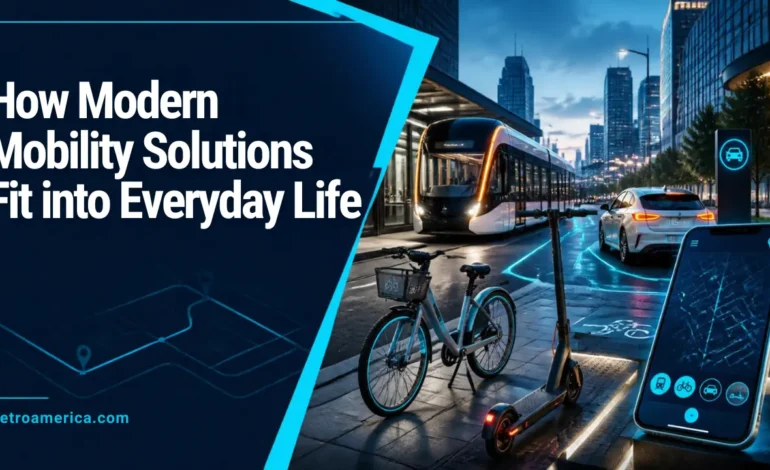

Getting around has changed a great deal over the past decade. Owning a car or riding a bus is no longer the only way to commute, run errands, or explore your city. Ride-sharing apps, bike-sharing docks, electric scooters, and car-sharing platforms now sit alongside traditional transit, and many people mix them depending on the day. Understanding how these modern mobility solutions work, and where each one fits, can help you spend less, save time, and stress less about getting from A to B.
Understanding the Range of Transportation Options
Today’s mobility landscape is built around choice. Public transit still carries the daily commute for millions of people, but it is now complemented by services you can unlock or book from your phone. Bike-sharing programs such as Citi Bike put a bicycle at the corner of your street. Scooter operators like Lime and Bird make short hops across town quick and inexpensive. Ride-sharing platforms such as Uber and Lyft cover door-to-door trips, and car-sharing services like Zipcar let you rent a vehicle by the hour when you truly need one.
Each option solves a different problem. The best choice depends on the distance, the weather, your budget, and how much time you have.
Quick Comparison of Common Mobility Options
| Option | Best For | Cost Level | Things to Watch |
| Public transit | Daily commutes, longer city trips | Low | Fixed schedules and routes |
| Bike-sharing | Short trips, errands, exercise | Low | Dock availability, weather |
| Electric scooters | First and last mile, quick hops | Low to medium | Local rules, battery level, safety |
| Ride-sharing | Door-to-door trips, bad weather, late nights | Medium to high | Surge pricing, wait times |
| Car-sharing | Occasional big errands or day trips | Medium | Booking in advance, parking |
Costs vary by city and provider, so check current pricing in your area before you plan around any one option.
How Flexibility Changes Your Daily Routine
The real benefit of modern mobility is not any single service. It is the freedom to switch. Imagine a typical weekday: you ride the train to work, grab a shared bike for a lunchtime errand, and book a ride home after an evening event because the weather turned. None of those choices required owning a second vehicle or planning days ahead.
This kind of adaptability lowers the stress of commuting. If a subway line is delayed, you can reroute. If traffic is heavy, a bike or scooter may get you there faster over short distances. If you are carrying shopping bags, a ride-share makes more sense. Instead of being locked into one plan, you choose what works for that particular trip.
The Role of Technology in Modern Mobility
Smartphones are the backbone of these services. A single app can show live transit times, unlock a shared bike, book a car, and handle payment without cash or tickets. GPS-based navigation suggests the fastest route, while ratings and reviews help you judge which services are reliable in your area.
Many cities now offer “mobility as a service” apps that combine several options in one place, letting you compare travel time and price side by side. Behind the scenes, providers use trip data to place bikes and scooters where demand is highest and to adjust service during busy periods. For riders, that usually means shorter waits and better availability.
Environmental and Economic Benefits
Sharing rides or choosing public transit generally reduces the emissions each person is responsible for compared with driving alone in a single-occupant vehicle. Bikes and electric scooters produce little or no tailpipe pollution, which makes them a good fit for short urban trips that would otherwise be made by car.
There is a financial side too. Owning a car involves fuel, insurance, parking, maintenance, and depreciation. Replacing some of those trips with shared or rental options can lower your monthly transportation spending, especially if you live in a dense area where parking is expensive. If you are thinking about buying a personal electric scooter for regular travel, this guide on what electric scooter to buy for commuting offers detailed model comparisons and feature breakdowns to help you decide.
Wider adoption also nudges cities to invest in bike lanes, better transit, and safer streets, which benefits everyone rather than only car owners.
Staying Safe on Shared Bikes and Electric Scooters
Convenience should never come at the expense of safety. If you use micromobility options, keep these basics in mind:
- Wear a helmet. It is the single most effective way to reduce the risk of head injury.
- Learn the local rules. Speed limits, where you can ride, and where you can park differ from city to city.
- Check the vehicle first. Test the brakes, tires, and battery level before you start.
- Be visible. Use lights at night and wear bright clothing when possible.
- Stay focused. Avoid headphones and phone use while riding.
Making Informed Choices About Your Mobility Needs
Before committing to any solution, take a look at how you actually travel. Note the distance of your regular trips, how much time you can spare, your monthly budget, and how reliable each option is where you live. Many people find that a combination works best: public transit for the main commute, a bike or scooter for short errands, and a ride-share for evenings or bad weather.
Try a few services on a small scale first. Most apps let you pay per ride, so you can test what fits before making a bigger decision such as giving up a car or buying your own scooter.
Conclusion
Modern mobility solutions give you more ways to move around than ever before. By mixing transit, shared bikes, scooters, ride-sharing, and car-sharing, you can build a flexible setup that fits your schedule, your budget, and your values. Start by understanding your own travel patterns, try a few options, and adjust as your needs change. The right combination is the one that makes everyday travel simpler for you.
Disclaimer: Transportation options, pricing, and regulations vary by city. Please check local rules and service availability before you travel.
This article contains a sponsored link.