
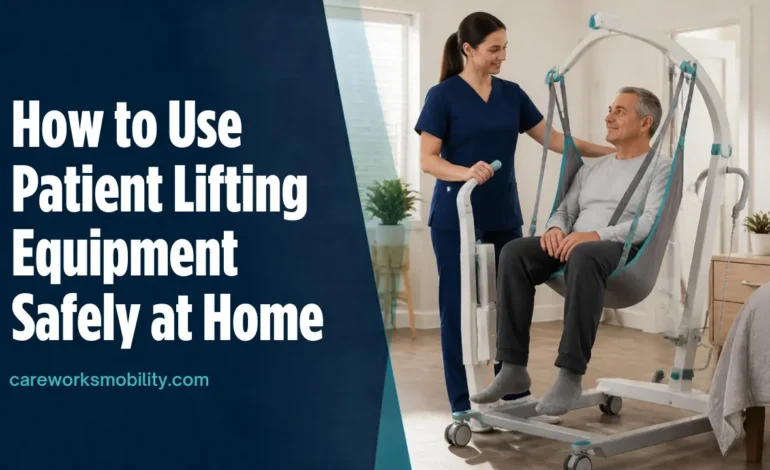

When you take on the role of a caregiver, one of your most critical responsibilities involves helping patients with mobility challenges. Moving and transferring patients safely protects both their physical wellbeing and your own health as a caregiver. Improper lifting techniques can lead to serious injuries such as back strain, joint damage, and muscle tears for both you and the person in your care. Understanding how to use patient lifting equipment correctly transforms what could be a dangerous task into a manageable one. This knowledge becomes essential when you are working in a home setting, where professional medical equipment and support may be limited compared to a hospital or care facility.
Understanding the Types of Lifting Equipment Available
Patient lifting equipment comes in several varieties, each designed for different mobility levels and transfer situations. Mechanical lifts, sometimes called patient hoists, use hydraulic or electric power to raise and lower patients with minimal manual effort from you. Gait belts function as simple but effective tools that provide secure handholds when assisting patients who can bear some weight but need balance support during transfers. Slide sheets and transfer boards reduce friction between surfaces, allowing you to move patients horizontally without excessive strain on your back and shoulders. Sitting lifts and standing lifts address different patient needs, with sitting lifts ideal for transfers from bed to chair and standing lifts designed for patients who retain some lower body strength. You should evaluate which equipment best matches your patient’s mobility level, physical limitations, and your home’s layout before beginning any transfer routine.
Preparing Your Home Environment for Safe Equipment Use
Your home environment plays a significant role in whether you can use lifting equipment safely and effectively. You need adequate floor space around your patient’s bed, bathroom, and favorite sitting areas to position equipment properly and operate it without strain. Low-hanging ceiling fixtures, narrow doorways, or cluttered pathways can prevent you from maneuvering equipment and may force you into compromising positions that increase injury risk. Before bringing equipment into your home, measure your spaces carefully and identify any obstacles that could interfere with equipment operation. Ensuring stable, level flooring throughout transfer areas prevents equipment from tipping or sliding unexpectedly during use. You should also assess lighting in these areas, as poor visibility can lead to mistakes during transfers when precision and safety awareness matter most. Addressing these environmental factors before transfers begin reduces preventable accidents and supports a more consistent caregiving routine.
Learning Proper Techniques and Getting Training
Operating lifting equipment correctly requires knowledge that you should not attempt to gain through trial and error. Manufacturer instructions for your specific equipment should be your primary resource, as different models have varying operation procedures and safety features. Many homecare agencies and equipment suppliers offer training sessions that teach you proper body mechanics, equipment setup, and emergency procedures specific to your situation. For caregivers managing short-term recovery or evaluating long-term needs, exploring patient lift rental options provides a practical way to access appropriate equipment while determining which lift type suits your patient’s specific requirements before committing to a purchase. Hands-on training allows you to practice transfers with supervision before you are solely responsible for your patient’s safety. Regular refresher training helps you maintain safe habits and stay current with any updates or recalls affecting your equipment.
Maintaining Equipment and Recognizing When Repairs Are Needed
Equipment maintenance directly impacts safety and prevents unexpected failures during critical transfers. You should inspect your lifting equipment before each use, checking for frayed straps, loose fasteners, hydraulic fluid leaks, or cracks in structural components. Many mechanical lifts require periodic servicing by qualified technicians to ensure hydraulic systems and electrical components function properly. Understanding your equipment’s warranty and service requirements helps you plan maintenance and ensures repairs are completed by appropriate professionals. Worn slings or straps should be replaced immediately, as they may tear during use and cause your patient to fall. Keeping detailed records of maintenance and repairs creates a safety history and helps you identify patterns that might indicate when equipment needs replacement rather than continued repair. For additional guidance on safe patient handling practices, the National Institute for Occupational Safety and Health offers research-based resources on safe lifting and patient transfer principles.
Conclusion
Managing patient mobility in a home setting requires you to combine proper equipment knowledge with environmental preparation and continuous practice. Your commitment to learning correct techniques protects both your patient’s dignity and physical wellbeing while safeguarding your own long-term health and ability to continue caregiving. Taking time to understand equipment types, prepare your home space, obtain proper training, and maintain your equipment represents an investment in safe, effective care. These foundational steps transform lifting equipment from an intimidating tool into a reliable aid that makes your caregiving responsibilities more manageable. Remaining attentive to both equipment condition and environmental factors ensures that every transfer occurs with the confidence and consistency that safe caregiving demands.
Disclaimer: This article is for general informational purposes only and does not replace professional medical advice. Every patient’s needs are different. Before using any patient lifting equipment, consult a doctor, physiotherapist, or occupational therapist, and always follow the manufacturer’s instructions for your specific device.